
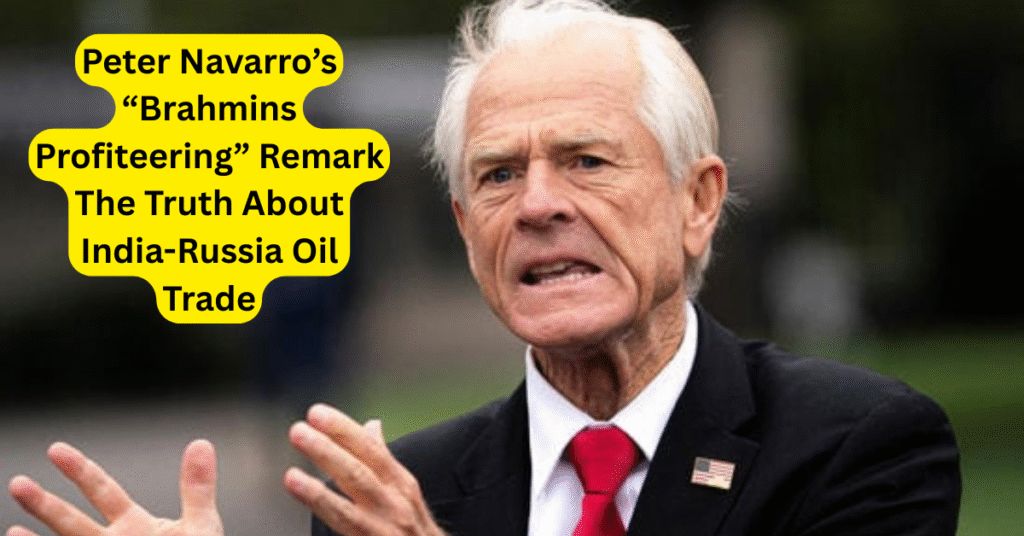
India’s energy demand is vast and growing. As the world’s third-largest oil consumer, India’s search for affordable crude oil is relentless. Western sanctions on Russia following its invasion of Ukraine created an opportunity. Russian crude, shunned by many traditional buyers, found a welcome market in India. By 2025, Russia was set to become one of India’s top oil suppliers, with imports growing faster than in previous years. Recently, former Trump aide Peter Navarro stirred up controversy by claiming that “Brahmins are benefiting” from the India-Russia oil deal.
So, what exactly is happening in the India-Russia Oil Trade deal, why is Navarro bringing caste politics into it, and how significant is this trade for both countries? Let’s unpack this strange phenomenon and what it really tells us about the global energy market and the noise surrounding it.
All points in this post
Why India Buys Russian Oil
- Benefits for the economy: Russian oil is often sold at a discount to global standards, making it cheaper for India and helping to control inflation and fuel costs.
- Energy security: As the world’s third-largest oil consumer, India needs reliable supplies. Russia’s willingness to sell at lower prices is perfectly aligned with India’s growing demand.
- Geopolitical balance: India has demonstrated its independent foreign policy by expanding trade with Russia while maintaining ties with the West. It prioritizes the interests of its citizens over the demands of the West.
The Navarro Controversy: “Brahmins Profiteering”
Peter Navarro’s comments, in which he described the oil trade between India and Russia as “Brahmin profiteering,” have become politically significant. Navarro is no stranger to controversy, but as a key policy advisor to Trump, he has been deeply involved in the US-China trade war and is known for his provocative rhetoric targeting foreign policymakers.
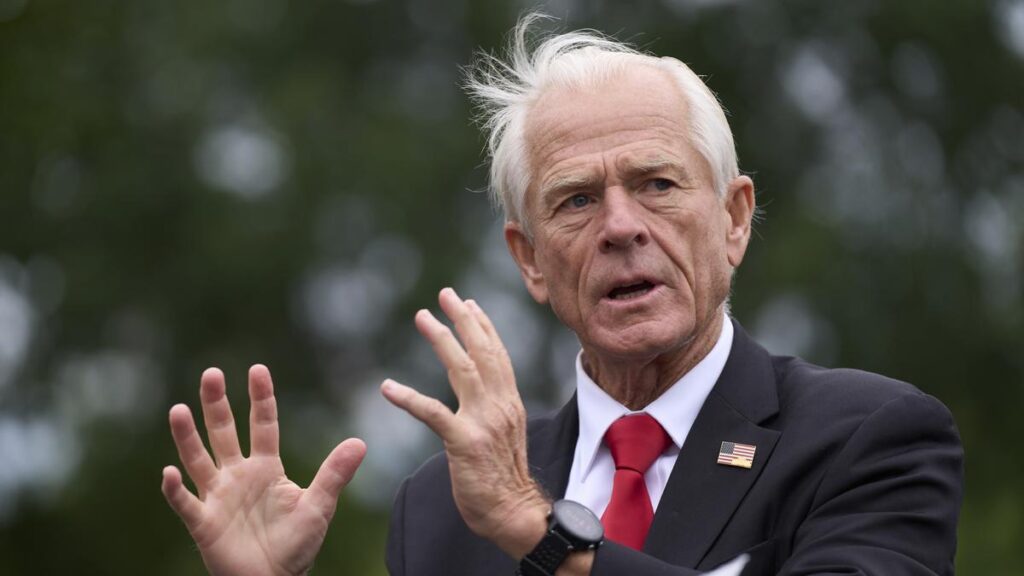
Who is Peter Navarro?
Peter Navarro served as Assistant to the President and Director of Trade and Manufacturing Policy in the Trump administration. He has written several books targeting China and believes that gloWhat did Navarro say?
Navarro accused sections of India’s elite, particularly the “Brahmin” class, of taking advantage of Russian oil concessions to sell oil for profit. He suggested that these deals undermined Western sanctions and supported Russia’s war effort, undermining India’s complex energy strategy.balist policies undermine American workers.
- China Hawk: Navarro’s strident anti-China stance has shaped much of Trump’s trade policy.
- India Critic: Recently, attention has shifted to India, with rhetorical attacks on oil purchases from Russia.
- Education Hawk: This is his primary identity. Navarro is a strident anti-China strategist. He is the author of books like Death by China, which argues for a tough, protectionist stance against Chinese trade practices. This nonsense is what ultimately endeared him to Donald Trump.
- Legal Convictions: It’s important to remember that Navarro is a convicted felon. He was recently sentenced to four months in prison for contempt of Congress after refusing to cooperate with the House committee investigating the January 6 attack on the U.S. Capitol.
So when Navarro speaks, he does so from a very specific, highly biased, and currently legally uncompromising position.
What did Navarro say?
Navarro accused sections of India’s elite, particularly the “Brahmin” class, of taking advantage of Russian oil concessions to sell oil for profit. He suggested that these deals undermined Western sanctions and supported Russia’s war effort, undermining India’s complex energy strategy.
Analyzing the Profiteering Claim
Navarro’s “Brahmin” reference is problematic for cultural and practical reasons, an oversimplification. Caste-based business groups are not in charge of India’s oil trade; rather, it is run by large private corporations and state-owned businesses. By global standards, many countries, including Greece, China, and Turkey, continue to buy Russian oil. India’s isolation ignores larger power realities. Domestically, lower oil prices primarily benefit ordinary Indian consumers, not just the elite.
The Real Story Behind India’s Russian Oil Purchases
Navarro’s strange comments obscure the real and more rational reasons behind the India-Russia Oil Trade relationship. Energy affordability and security have long been a priority for India’s fast-growing economy. When Russia sold crude oil at significant discounts after Western sanctions, the economic incentive for India was undeniable. The India-Russia oil trade is not based on ideology, it is pure pragmatism. Savings have been abundant, which has helped to shield the Indian economy from inflationary pressures and keep fuel prices stable for its citizens.
From India’s perspective, it is simply doing what it needs to do to get the best resources for its growth. This strategic move to buy Russian oil in response to changing global markets is a cornerstone of India’s energy policy. Moreover, India is transparent about its position. Indian officials have consistently said that they will continue to buy oil from wherever it is most economically advantageous. The oil dynamics between India and Russia are not the secret plans of any social class but the result of global market forces created by the war and subsequent sanctions.
Pros and Cons of India-Russia Oil Trade
Advantages – Affordable fuel, cheaper oil helps control inflation and keeps fuel affordable. Strategic lift, reduces dependence on a single source and increases bargaining power. Foreign exchange savings: Cheap oil helps strengthen the rupee and reduces the current account deficit.
Disadvantages – Diplomatic tensions, potential to alienate Western allies and affect diplomatic and trade relations. Sanctions risk, India may face secondary sanctions even if it has avoided direct sanctions so far. Reputational risk, international criticism could affect perceptions and investor confidence.
India-Russia oil trade specifications
| Aspect | Detail |
|---|---|
| Main Parties | Government: Indian Oil Corp, Bharat Petroleum; Private: Reliance Industries |
| Volume Imported | ~1.5 million barrels per day (2025 estimate) |
| Share of Imports | Russia among top 3 suppliers |
| Payment Mode | Mostly rupee, some non-dollar alternatives |
| End Consumers | Indian households, transportation, industries |
Comparing India’s perspective with others
| Country | Russian Oil Policy | Position on Sanctions |
|---|---|---|
| India | Continued imports at discount | Refused to join full sanctions |
| China | Increased imports | Opposed Western sanctions |
| EU | Reduced imports, imposed ban | Led sanctions charge |
| Turkey | Maintained trade ties | Cautious support for sanctions |
“Profiteering” or Pragmatism? The Real Story
Navarro’s statement may make headlines, but the truth is more nuanced. The India-Russia Oil Trade strategy is based on economic realism rather than greed or narrow interests. The entire debate reveals how energy security, global politics, and domestic priorities intersect in unexpected ways.
The Bottom Line
The between India-Russia Oil Trade is a complex issue of geopolitics, economics, and energy security. Peter Navarro’s comments about “Brahmin profiteers” add no value to this conversation. India, like all nations in the real world, is acting in its own rational self-interest. The growth of the India-Russia Oil Trade is a direct consequence of Western policy decisions, and it takes more nuance than a failed political assistant to navigate its complexities. If you see a headline about people who don’t like the between India-Russia Oil Trade, you should find out where it came from and what they are saying.
THE END
The between India-Russia Oil Trade is more than just a business transaction; it also demonstrates India’s strategic independence. Peter Navarro’s claim that “Brahmin profiteers” are not only absurd, but it also fails to take into account the larger context of global energy politics. India’s decision to buy Russian oil is for the economy, energy security, and national interest, not for the nation or profiteering elite. As the world grapples with shifting alliances and energy crises, one thing is clear: India’s choices will continue to shape the future of global trade and geopolitics, no matter how many critics shout from the sidelines.
Pingback: Trump’s New Explanation on India-China Remark - Know What He Said - bhartnewsfeed.com