
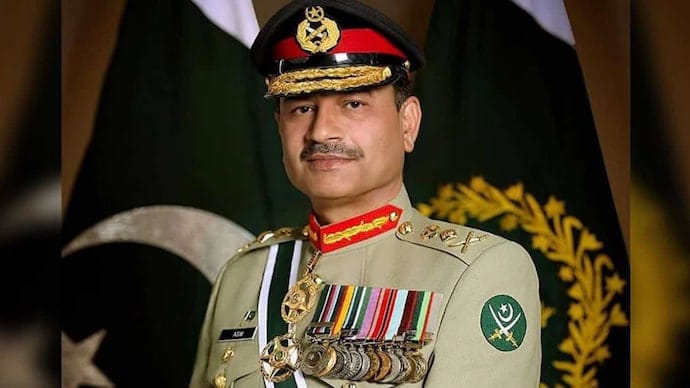
The best news of the day, if you’ve been following the news, you’ve probably seen some of the most dramatic statements ever made by the Pakistan Army Chief. A former Pentagon official compared him to “Osama bin Laden in a suit”, while a British writer criticised the statement, calling it “disrespectful” and “reckless”. The situation takes a new turn when the Pakistan Army Chief sets a specific target – Reliance Industries Limited’s Jamnagar refinery. Let’s discuss what’s happening, why it matters and what we can all learn from it in today’s update.
All the points in this post
Who Is the Pakistan Army Chief?
Before we get into the debate, we need to be clear. We have all heard that Pakistan’s army chief – currently General Asim Munir – has built a reputation for himself over decades of military service. However, in recent weeks, a storm of emotional commentary has overshadowed that reputation. Criticizing one of the world’s largest oil refineries is unprecedented.
The ‘Osama Bin Laden in a Suit’ Remark
A former Pentagon official did not hold back. It is explosive to say that the Pakistan army chief is like “Osama Bin Laden in a suit”. It is a deliberate provocation that associates the military leadership with extremism and raises a significant red flag. Importantly, such remarks show how different the international view of Pakistan’s military posture is.
Disgraceful’ and ‘Reckless’: The British Author Speaks
A British author at the time described the Pakistan army chief’s nuclear threat as “disgraceful, reckless”. Readers should pay attention because it contains strong language. These words stem from concerns about instability in South Asia. Nuclear rhetoric is not something you should take lightly because when someone in power speaks like this, it makes people more uncertain, which is likely to spread around the world.
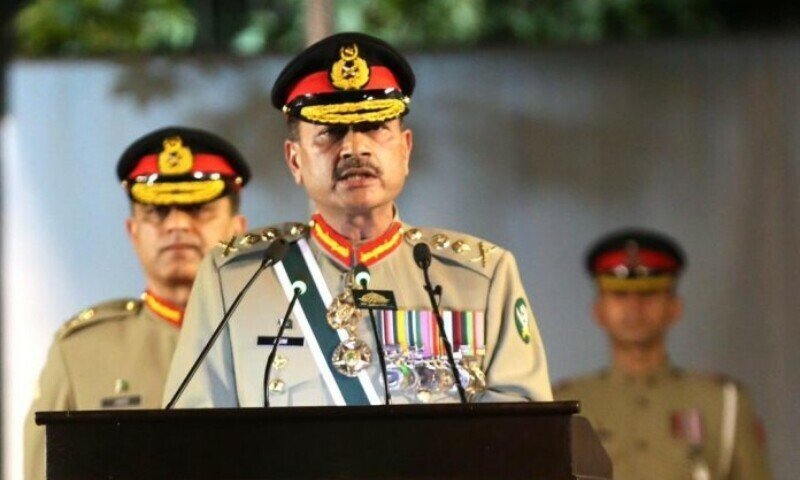
Why Nuclear Rhetoric Matters
Yes, everyone knows that the use of nuclear weapons is a serious matter. However, when the Pakistani army chief starts discussing the threat to civilian infrastructure like a huge oil refinery, the conversation moves from words to real risk. For the energy market, the Jamnagar oil complex is a lifeline. Targeting it is not political drama; rather, it is economic sabotage, which could have an impact on global energy prices, supply chains, and investor confidence.
Pakistan’s Strategic Calculus
Why did you choose the Jamnagar refinery as a target? RIL’s Jamnagar facility is the world’s largest refinery. It’s practical and symbolic. In a larger sense, the Pakistan army chief may be trying to defuse tensions, using high-value threats through dialogue – but such signals are a double-edged sword.
Regional Fallout
You don’t need a map to illustrate the fallout. India borders the United States directly. Any hint of targeting RIL’s assets immediately provokes diplomatic, military and economic opposition. Furthermore, it shakes up international markets that rely on predictable energy flows. In short, high-value targets combined with nuclear threats? That’s a recipe for instability.
The Dangerous Game of Nuclear Brinkmanship
Nuclear threats in South Asia are nothing new, but every escalation carries the risk of miscalculation. Why Pakistan Army Chief Asim Munir’s statements are particularly dangerous – Undermining diplomatic efforts, such statements make dialogue between India and Pakistan more difficult. Any miscommunication could lead to a full-blown crisis. Concerns for global security: The world cannot afford the risk of a nuclear conflict in South Asia.
What Now?
Now is the time to overcome differences of opinion. Before threats turn into actions, let’s hope diplomacy and restraint take the lead. The Pakistan Army Chief’s remarks have serious implications. The international community and regional powers need to engage with caution. At the same time, analysts and partners in the local community should keep an eye on how this plays out, as volatile rhetoric often signals that something deeper is afoot.
THE END
Pakistan’s Army Chief General Asim Munir’s comparison of Osama bin Laden to the US may be provocative, but it reflects deep international concerns about the normalization of nuclear threats against civilian targets. Whether the threat in Jamnagar is made formally or not, it is dangerous to promote such rhetoric.
The Pakistan Army Chief must be held accountable by the international community as he shapes Pakistan’s defense and foreign policy. Nuclear weapons are not tools of intimidation – they are existential responsibilities. And the Pakistan Army Chief must remember that with great power comes greater accountability. Share your thoughts by leaving a comment
Pingback: 79th Independence Day: "India has now decided, blood and water will not flow together" - bhartnewsfeed.com