
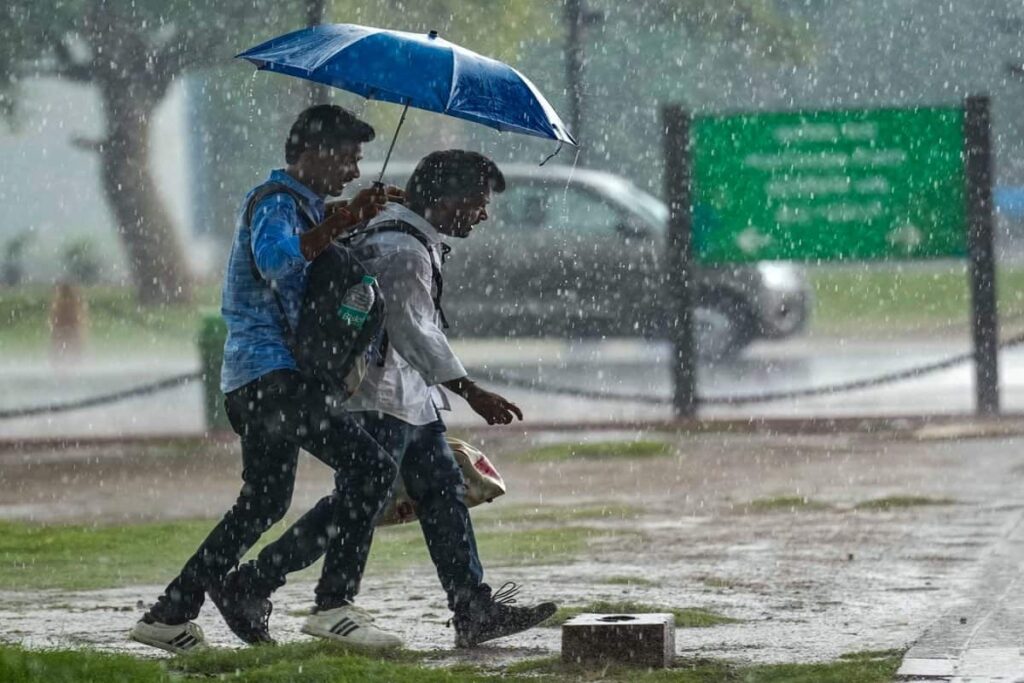
The intensity of the Indian monsoon is increasing in intensity. The India Meteorological Department (IMD) has issued a fresh red alert for most parts of Delhi-NCR and a heavy rainfall alert for Himachal Pradesh due to monsoon rains in north India. The ongoing Indian monsoon has already caused a lot of disruption: heavy rains have damaged important areas, delayed flights, flooded roads and disrupted daily life. If you live in Delhi-NCR or are planning to travel to the region, here is your real-time update on what is happening with the Indian monsoon and how it is affecting the region.
All the points in this post
India Monsoon: Red Alert in Delhi-NCR
In light of the increase in intensity of the Indian monsoon over the past 24 hours, the IMD has raised the alert level to “red” for several districts of Delhi-NCR. A red alert means “take action” – indicating extremely heavy rainfall that can cause flash floods, landslides and severe waterlogging. Heavy rains have been reported in areas like Gurugram, Faridabad, South Delhi, East Delhi, Noida and South Delhi since early morning. The sudden downpour has caused drainage systems to collapse, resulting in waterlogging and traffic jams.
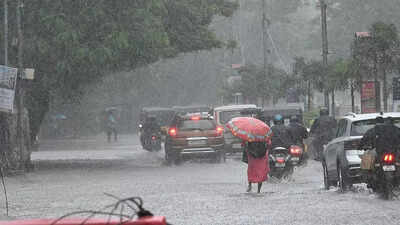
Commuters are facing long delays, several underpasses are submerged and vehicles are stranded. The unpredictability of the monsoon in India this year has left many unsettled. While monsoon rains are expected in July and August, the intensity and local nature of the rains have made them particularly disruptive.
Heavy Rain in Delhi-NCR: What’s Happening?
Parts of south Delhi, India, received more than 80 mm of rainfall till this morning, with similar levels recorded in Noida and Ghaziabad. Delhi’s weather monitoring Safdarjung Observatory has recorded the highest 24-hour rainfall in the capital this monsoon season. With India’s monsoon inflow showing no signs of abating, authorities have issued an advisory to residents to avoid unnecessary travel. The Delhi Disaster Management Authority (DDMA) has activated emergency response teams and pumping stations have been deployed to clear the stagnant water.
Public transport has also been affected. Several DTC bus routes have been diverted, and the Delhi Metro reported minor delays on the Yellow and Blue lines due to signalling issues due to waterlogging.
Flights Delayed Amid India Monsoon Chaos
The impact of the Indian monsoon is not limited to the roads. Over 90 flights have been delayed at Indira Gandhi International Airport (IGIA) and several have been diverted due to poor visibility and strong cross-country winds. Airlines including Air India, IndiGo and Vistara have issued travel advisories, urging passengers to check flight status before heading to the airport. Airport authorities said operations are gradually returning to normal, but further disruptions are expected if heavy rains continue to lash India under the influence of monsoon winds over the next 48 hours.
Himachal Pradesh on High Alert
While Delhi-NCR is dealing with waterlogging, the Indian monsoon is also hitting Himachal Pradesh. The IMD has issued orange and yellow alerts for several districts, including Shimla, Solan and Kangra. Some areas have received 150 mm of rainfall in just 12 hours. The landslides have blocked important highways, including the Shimla-Kalka road, disrupting travel and supply chains. Local authorities have evacuated families living near the hill slopes and have strongly discouraged people from venturing out. The Indian monsoon can be particularly dangerous in hilly states like Himachal Pradesh due to the fragile terrain. Residents should be on alert as the current red alert means that even moderate rainfall can trigger landslides.
Why Is the India Monsoon So Intense This Year?
You might be wondering, “Why is the monsoon so bad in India this year?” Experts point to several factors — a strong monsoon, the influence of cyclonic circulation in northwest India and warmer-than-normal sea surface temperatures in the Arabian Sea. Climate change is also playing a role. Studies have shown that India’s monsoon patterns are becoming increasingly erratic, with heavy rains occurring after long dry spells — a sign of the current monsoon behavior in India.
The impact is also compounded by poor or inadequate urban planning. In Delhi-NCR, encroachment on natural drainage channels, poor maintenance of stormwater drains and uncontrolled construction have left cities vulnerable to flooding during India’s monsoon season.
What’s Next in the India Monsoon Forecast?
The latest IMD bulletin said that the monsoon will remain active over north and central India for the next 3-4 days. Punjab, Haryana and western Uttar Pradesh are likely to receive light to moderate rainfall, while isolated heavy to very heavy rainfall is likely in some parts of Delhi-NCR and Himachal Pradesh. A red alert for Delhi-NCR is in effect for the next 24 hours and residents are advised to stay indoors, avoid flooded areas and keep emergency numbers handy.
How to Stay Safe During the India Monsoon
The monsoon in India shows no mercy, avoid driving or walking on waterlogged roads to avoid flooding. As little as 15 cm of flowing water can break your legs. Keep essentials ready, flashlights, batteries, first aid kits and dry food should be accessible. Follow IMD alerts and local news for real-time updates on the monsoon in India. Charge your devices, as power outages are common during heavy rainfall. Do not ignore warnings, if authorities ask you to leave, do so immediately.
Looking Ahead: Monsoon and Urban Resilience
India’s repeated monsoon chaos raises serious questions about urban preparedness. We can build smarter cities, but we can’t control the weather. Rejuvenating water bodies, improving drainage systems, enforcing building codes, and investing in early warning systems can reduce the impact of future monsoons in India. Cities like Chennai and Mumbai have made strides in monsoon preparedness — Delhi-NCR must follow suit.
Final Thoughts on the India Monsoon Situation
India’s monsoon is a lifeline for agriculture and water resources, but when it gets too bad, it can be dangerous for people and infrastructure. The current red alert in Delhi-NCR and heavy rains in Himachal Pradesh are stark reminders of how vulnerable our cities and towns are. As India’s monsoon continues to dominate the headlines, being aware and vigilant is the best defense. Remember that safety comes first, whether you’re dealing with flooded roads or delayed flights. Let’s hope India’s monsoon subsides soon — but until then, stay alert, stay safe, and stay prepared.
Many thanks !
Thank you very much for such a nice comment.
Pingback: PM Modi in Bengaluru: LIVE Updates, Arrangements, and the Big Metro Launch - bhartnewsfeed.com